How Does Mold Affect Health? A Holistic Perspective on Environmental Exposure
22. June 2026
How Does Mold Affect Health? A Holistic Perspective on Environmental Exposure
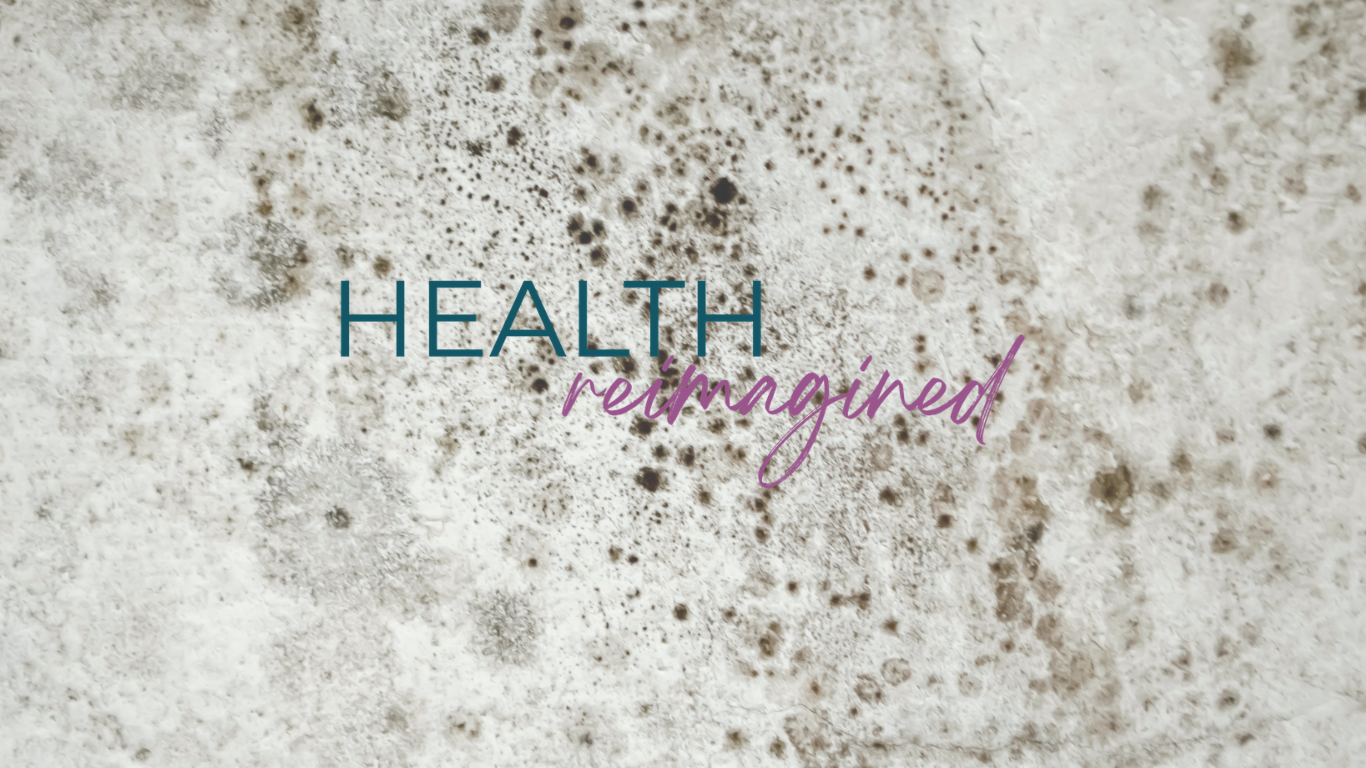
Mold is a common issue in many homes, offices, and buildings. While it is often noticed only after visible stains appear on walls, ceilings, or windows, mold can also grow in hidden areas and influence indoor air quality long before it becomes visible.
As awareness of environmental health grows, many people are asking how mold may affect overall wellbeing and what steps can be taken from a holistic perspective to address potential exposure.
A holistic approach looks beyond the mold itself and considers the living environment, lifestyle habits, nutrition, stress levels, sleep quality, and overall health resilience.
What Is Mold?
Mold is a type of fungus that naturally exists in the environment. Outdoors, mold plays an important role in breaking down organic matter and supporting natural ecological processes.
Problems can arise when mold begins growing indoors, where spores and other biological particles may accumulate in the air and remain present over extended periods.
Common causes of indoor mold growth include:
- excessive humidity
- water damage
- poor ventilation
- building defects
- condensation
- inadequate insulation
Addressing these underlying causes is essential for long-term prevention.
How Can Mold Affect Health?
People respond differently to mold exposure depending on individual sensitivity, overall health status, and the extent of exposure.
Commonly discussed symptoms include:
- respiratory irritation
- coughing
- sneezing
- nasal congestion
- irritated eyes
- headaches
- fatigue
- difficulty concentrating
These symptoms can have many possible causes, but indoor environmental quality is often considered an important factor when evaluating persistent concerns.
Mold and Respiratory Health
Because mold spores are often inhaled, the respiratory system is one of the primary areas discussed in relation to mold exposure.
Mold is frequently associated with:
- airway irritation
- increased environmental sensitivity
- allergic reactions
- worsening of existing respiratory conditions
Individuals who are particularly sensitive to environmental factors may notice symptoms more readily.
Can Mold Influence Overall Wellbeing?
A holistic perspective goes beyond individual symptoms and considers the body’s overall response to environmental stressors.
Some individuals report experiencing:
- reduced energy levels
- decreased physical performance
- difficulty recovering from daily demands
- sleep disturbances
- a general feeling of discomfort
Because these experiences are not specific to mold exposure, professional evaluation is recommended whenever symptoms persist.
The Most Important Step: Remove the Source
The foundation of any holistic approach is addressing the root cause of the problem.
This may involve:
- professional mold remediation
- repairing water damage
- improving ventilation
- controlling indoor humidity
- correcting insulation issues
Without eliminating the source, environmental exposure may continue despite other supportive measures.
Creating a Healthier Indoor Environment
Indoor air quality plays a major role in overall wellbeing.
Helpful strategies may include:
- regular ventilation
- improving air circulation
- monitoring humidity levels
- reducing moisture accumulation
- maintaining appropriate indoor temperatures
Many experts recommend keeping relative indoor humidity between approximately 40% and 60%.
Nutrition as Part of a Holistic Lifestyle
Nutrition cannot remove mold from a building, but it is often viewed as an important component of overall health.
Many holistic approaches encourage:
- fresh vegetables
- fruits
- quality protein sources
- fiber-rich foods
- adequate hydration
A minimally processed and nutrient-dense diet is commonly included in comprehensive wellness strategies.
Movement and Fresh Air
Regular physical activity supports an active lifestyle and overall wellbeing.
Examples include:
- walking
- hiking
- cycling
- swimming
- moderate strength training
Spending time outdoors and engaging in regular movement may contribute positively to physical and mental health.
The Role of Sleep and Recovery
Sleep is one of the body’s most important recovery processes.
Individuals seeking to optimize their wellbeing often focus on:
- consistent sleep schedules
- adequate sleep duration
- a calm sleep environment
- relaxing evening routines
Quality sleep is frequently viewed as a key pillar of holistic health.
Managing Stress
Chronic stress can influence how individuals perceive and respond to environmental challenges.
For this reason, holistic wellness programs often include:
- breathing exercises
- mindfulness practices
- meditation
- relaxation techniques
- spending time in nature
These habits may help support overall balance and resilience.
Complementary Perspective: Toxopheresis in a Holistic Context
Within integrative health approaches, toxopheresis is sometimes discussed as a procedure that filters certain substances from the blood.
It is mainly considered in the context of complex metabolic and regulatory processes, with the aim of supporting physiological balance. In selected medical situations, toxopheresis may be explored as a complementary approach to help reduce specific systemic burdens and support regulatory functions.
When Should You Take Action?
Visible mold should always be investigated.
Particular attention is recommended when:
- mold growth is extensive
- moisture problems repeatedly occur
- symptoms persist over time
- respiratory conditions already exist
- sensitive individuals live in the household
Early intervention often helps prevent larger environmental and structural problems.
Conclusion
Mold is more than a cosmetic issue. It can affect indoor air quality and is often discussed in relation to respiratory symptoms, environmental sensitivities, and overall wellbeing.
A holistic approach focuses on identifying and removing the source of mold while also supporting health through proper nutrition, physical activity, quality sleep, stress management, and a healthy living environment. Together, these factors can contribute to greater resilience and long-term wellbeing.
Note
This article was created with the support of AI and carefully edited to offer you grounded, holistic insights in a clear and respectful way.
< back to overview