Viewing Dental Amalgam Holistically – Understanding Systemic Interactions
20. January 2026
Viewing Dental Amalgam Holistically – Understanding Systemic Interactions
Introduction: More Than a Dental Topic
Dental amalgam fillings have been used in dentistry for decades. From a holistic perspective, their relevance extends beyond the tooth itself. The oral cavity is closely connected to the entire organism, meaning that materials used in dental care may also influence systemic processes. A holistic view of dental amalgam therefore considers not only local factors but also environmental exposure, metabolic processes, and individual regulatory mechanisms.
Composition and Potential Systemic Burden
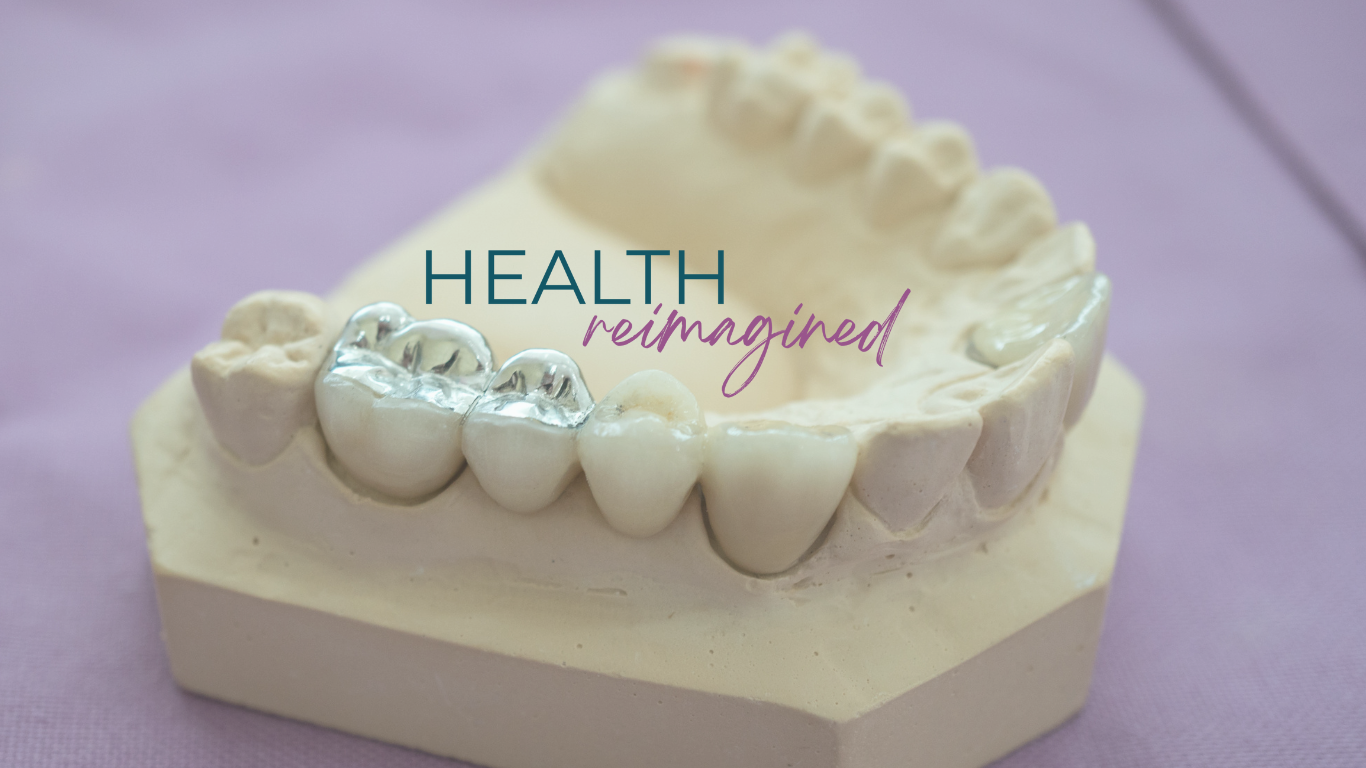
Dental amalgam is composed of a mixture of metals, including mercury. Over time, small amounts of these substances may be released. From an environmental and regulatory medicine perspective, it is important to consider how the body manages such burdens and the role of detoxification and elimination systems in maintaining balance.
Oral Health and Systemic Regulation
The oral cavity is closely linked to the immune system, nervous system, and metabolism. Changes or burdens in the dental area may influence systemic responses via neurological, immunological, or biochemical pathways. A holistic perspective on dental amalgam intentionally includes these interactions.
Environmental Medicine Perspective
In environmental medicine, dental amalgam is often discussed in the context of cumulative exposure. In addition to dental materials, environmental factors such as pollutants, diet, and stress also contribute to overall systemic burden. The key focus is not on a single exposure source but on the total load placed on the organism.
The Role of Toxopheresis
In environmental and regulatory medicine, toxopheresis is a supportive approach in the context of dental amalgam exposure. Toxopheresis is an apparatus-based blood filtration procedure designed to reduce certain systemic burdens from the bloodstream. Within a holistic framework, it may help lower the overall systemic load and support regulatory processes, without being viewed in isolation.
Thinking Holistically Rather Than in Isolation
Dental amalgam should not be considered solely as a localized dental issue. A holistic perspective integrates dentistry, environmental medicine, and regulatory medicine to create a comprehensive understanding of potential systemic interactions.
Conclusion
Viewing dental amalgam holistically provides a broader understanding of its potential systemic relevance. This perspective takes into account individual regulatory capacity, environmental influences, and complementary approaches such as toxopheresis, offering a nuanced view beyond a purely local assessment.
Note
This article was created with the support of AI and carefully edited to offer you grounded, holistic insights in a clear and respectful way.
< back to overview