PMS & Menstrual Discomfort: A Holistic Approach in Tune with Your Body
3. October 2025
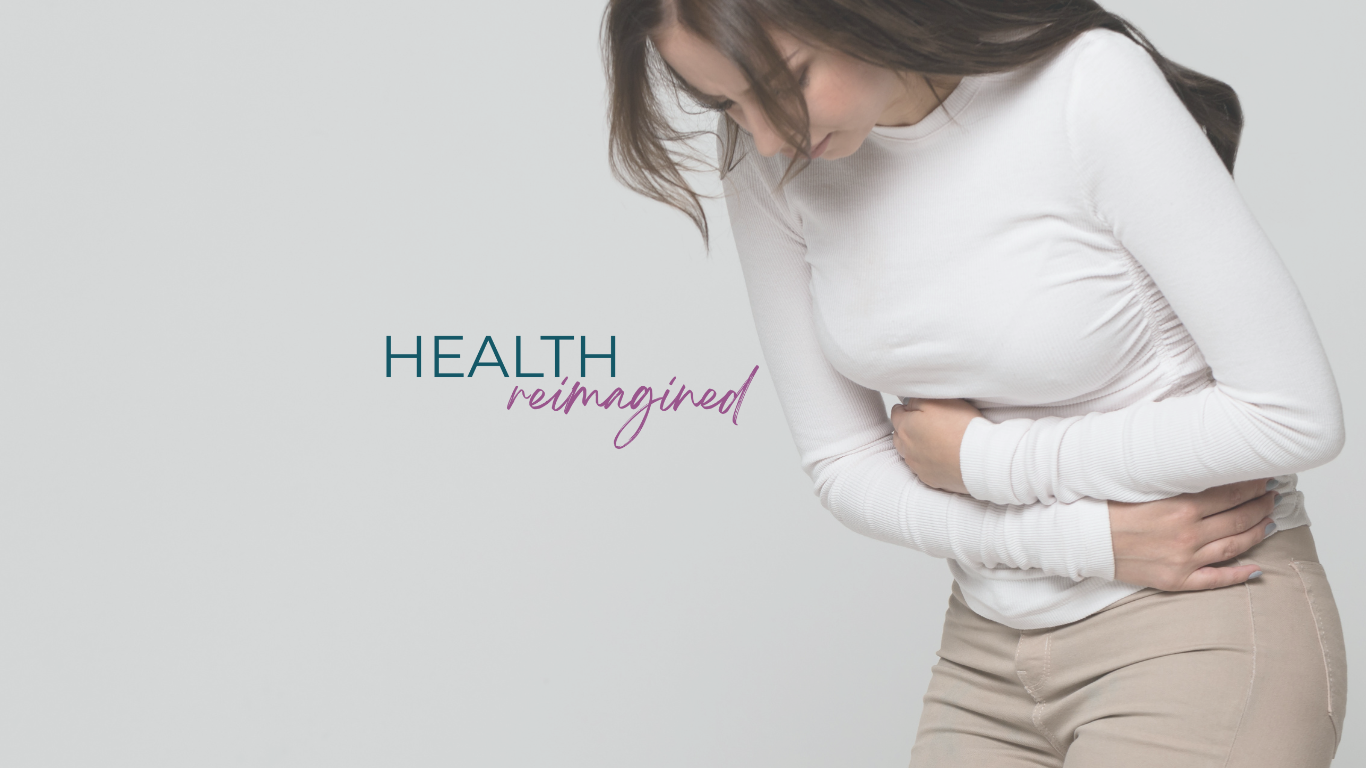
PMS & Menstrual Discomfort: A Holistic Approach in Tune with Your Body
For many women, the days leading up to menstruation are marked by pain, mood swings, fatigue, and a sense of imbalance. But PMS (premenstrual syndrome) and menstrual discomfort aren’t something you just have to live with. Instead, they’re often a sign that your body and hormonal system are out of sync.
A holistic perspective offers new ways to not only soothe symptoms, but to understand and support the underlying causes — physically, emotionally, and energetically.
What Is PMS?
PMS refers to a range of physical and emotional symptoms that typically occur during the second half of the menstrual cycle — often a few days before the period starts. Common symptoms include:
- Mood swings or irritability
- Fatigue or sleep disturbances
- Cravings or appetite changes
- Bloating, breast tenderness, or abdominal cramps
- Headaches or water retention
- Trouble concentrating
The causes of PMS are multifactorial. Hormonal imbalances (such as estrogen dominance or low progesterone), chronic stress, nutrient deficiencies, liver overload, and a sensitive nervous system all play a role.
-
Nutrition: Eat for Your Cycle
What you eat has a direct impact on your hormone levels, mood, inflammation, and PMS symptoms. A cycle-supportive diet can make a noticeable difference:
- Complex carbs (e.g. oats, quinoa) help balance blood sugar
- Healthy fats (like omega-3s from flax or walnuts) reduce inflammation
- Magnesium-rich foods (such as spinach or pumpkin seeds) support muscles and mood
- Reduce sugar, caffeine, and alcohol — all of which can worsen PMS
- Include liver-supportive foods and herbs like artichoke, beetroot, and dandelion
-
Stress Regulation & Nervous System Support
Chronic stress interferes with your hormone cycle — especially the delicate interplay between cortisol and progesterone. When your body is in constant “fight-or-flight,” hormonal balance suffers.
Support your nervous system with:
- Breathwork and gentle yoga
- Meditation or body scan before sleep
- Nature walks or forest bathing
- Digital detoxes, especially in the luteal phase
-
Herbal Support & Cycle Teas
Herbs can offer gentle yet effective support during your cycle. Some examples:
- Vitex (Chaste tree): supports progesterone regulation
- Lady’s mantle: tonifies and balances the uterus
- Yarrow: antispasmodic and supports digestion
- Lemon balm or lavender: calms the nervous system
- Ginger: anti-inflammatory, supports cramp relief
Be sure to choose high-quality herbal products and consult a practitioner if needed.
-
Embodiment & Somatic Practices
Sometimes the most powerful shifts happen not through logic, but through the body. Embodiment techniques help you reconnect with your physical and emotional rhythms.
Try:
- Free or intuitive movement during different cycle phases
- Yin yoga in the luteal or menstrual phase
- Warm compresses (e.g. liver packs or heating pads)
- Gentle abdominal massage with natural oils
-
Toxopheresis: Internal Relief for Systemic Load
When lifestyle changes alone don’t bring relief — especially in cases of deep fatigue, inflammation, or long-standing hormonal stress — physical therapies like toxopheresis may offer additional support.
Toxopheresis is a specialized medical procedure that filters the blood plasma to remove specific substances, including inflammatory markers or hormonal residues. While it doesn’t aim to “fix” symptoms, it may help reduce internal load and support the body’s own regulatory capacity — particularly in women whose systems are under persistent strain despite other interventions.
Conclusion: Your Cycle Is Not Your Enemy
PMS and cycle-related discomfort are common, but they don’t have to be your normal. When you start viewing your menstrual cycle as a guide — not a burden — you can begin to rebuild trust in your body and cultivate inner balance, clarity, and strength.
A holistic approach doesn’t demand perfection — it simply invites more awareness, gentleness, and connection.
Note:
This article was created with the support of AI and carefully edited to offer you grounded, holistic insights in a clear and respectful way.
< back to overview