Preventive and Holistic Protection Against Environmental Pollution
28. May 2026
Preventive and Holistic Protection Against Environmental Pollution
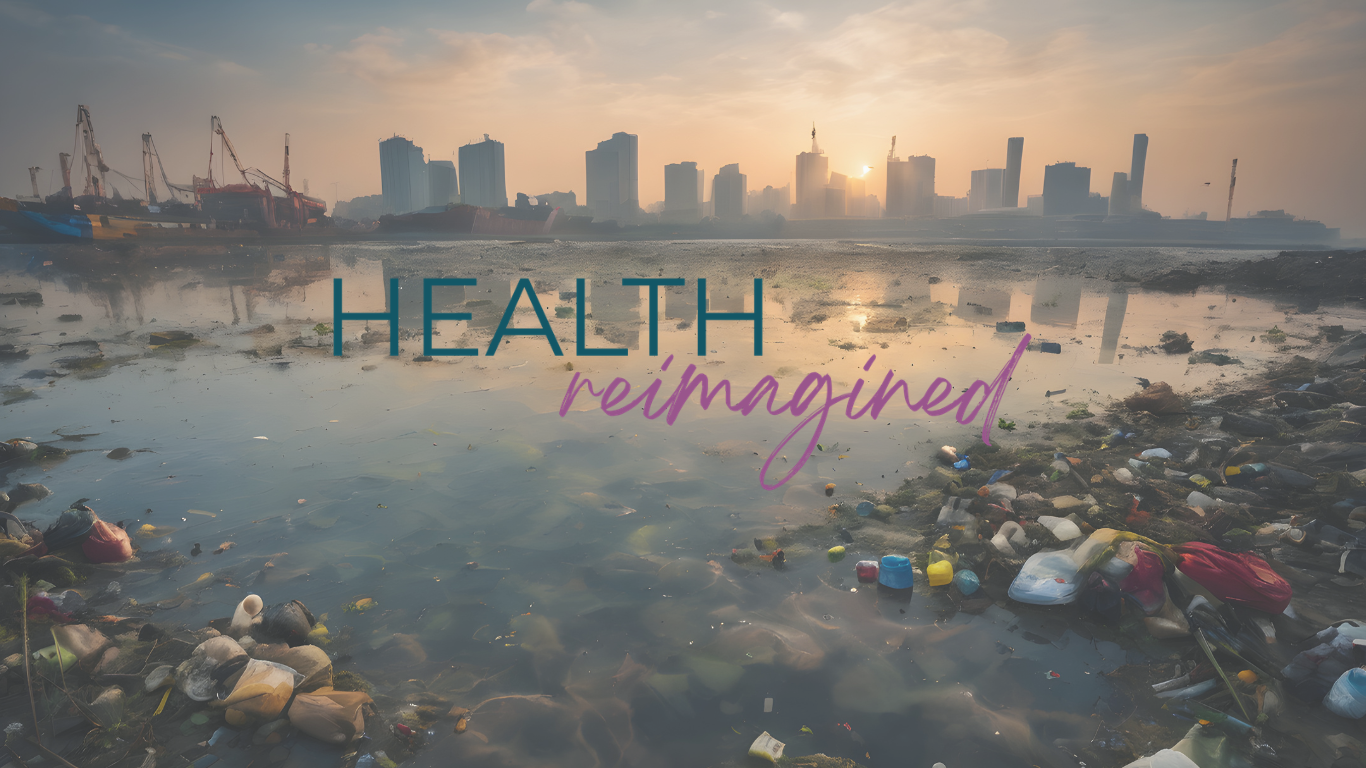
Environmental pollution has become a part of modern everyday life. Air pollution, microplastics, noise exposure, contaminated products, and chemical residues in daily-use items are factors many people encounter regularly.
A holistic approach does not aim for perfection or complete avoidance, but instead focuses on conscious lifestyle choices that may help reduce long-term systemic burden.
Why Environmental Factors Matter
The human body constantly interacts with its environment. Various environmental influences can place additional demands on the body’s regulatory systems.
Especially in urban environments, people are exposed to multiple stressors every day, often without noticing them consciously. A preventive approach therefore begins with awareness and small adjustments in daily habits.
Nutrition as a Foundational Factor
Balanced nutrition plays an important role in a holistic strategy for dealing with environmental stressors. Fresh foods, vegetables, fruits, and adequate hydration support many physiological and metabolic processes.
Reducing heavily processed foods may also help minimize unnecessary daily burden.
The goal is not perfection, but consistency and balance over time.
Indoor Environment and Air Quality
Air quality can significantly influence overall wellbeing. Regular ventilation, spending time in nature, and reducing exposure to smoke or heavily polluted environments can support a healthier daily environment.
Within holistic concepts, indoor climate, airflow, and organized living spaces are also often considered important factors.
Stress and Recovery
Chronic stress may affect how the body responds to environmental influences. For this reason, recovery, sleep quality, and mental balance are essential components of a holistic preventive lifestyle.
Adequate rest supports the body’s ability to process daily stressors more effectively.
Physical Activity and Daily Movement
Regular movement supports many natural regulatory processes in the body. Outdoor activity and moderate daily exercise are commonly associated with a balanced and health-conscious lifestyle.
The focus is not on performance, but on consistency and sustainable routines.
Conscious Consumption in Everyday Life
Many people are becoming more aware of the products they use daily, including packaging materials, cosmetics, cleaning products, and food quality.
Mindful consumption can help reduce unnecessary exposure over time without making daily life overly restrictive.
Complementary Perspective: Toxopheresis in a Holistic Context
Within integrative health approaches, toxopheresis is discussed as a procedure that filters certain substances from the blood.
It is mainly considered in the context of complex metabolic and regulatory processes, with the aim of supporting internal balance. In selected medical contexts, it may be viewed as a complementary measure that could help reduce systemic load and support physiological regulation.
Conclusion
Environmental pollution is one of the challenges of modern life, but a holistic approach can help individuals make more conscious choices and gradually reduce unnecessary exposure.
Nutrition, movement, sleep, stress management, and mindful consumption together form the foundation of a preventive and balanced lifestyle.
Note
This article was created with the support of AI and carefully edited to offer you grounded, holistic insights in a clear and respectful way.
< back to overview