Digital Detox in Everyday Life: 7 Tips for More Balance Without Screen Stress
30. September 2025
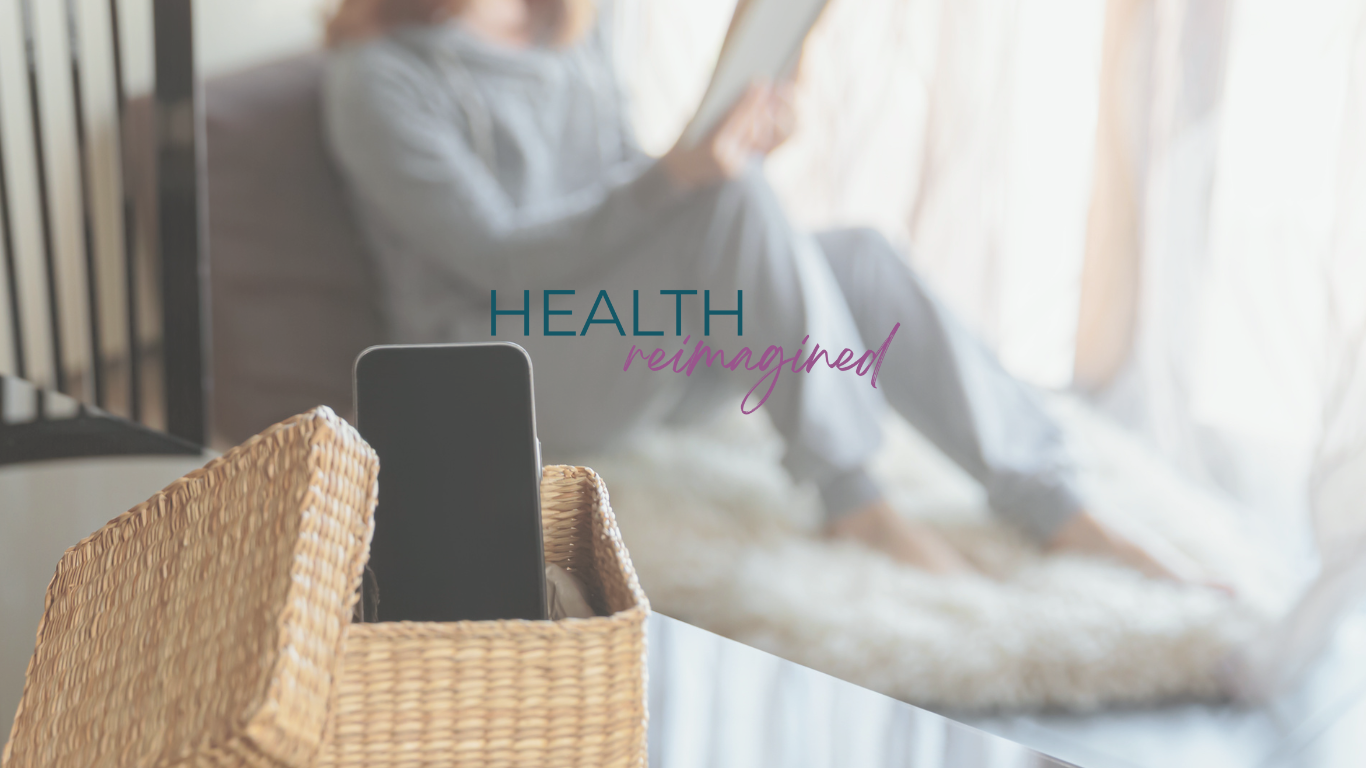
Digital Detox in Everyday Life: 7 Tips for More Balance Without Screen Stress
In a world full of push notifications, screen time, and constant availability, many people struggle to truly unwind. Our nervous systems are in overdrive, sleep suffers, and focus diminishes — all while we long for balance, clarity, and inner calm.
A digital detox in everyday life can make a significant difference. In this article, you’ll discover 7 practical ways to reconnect your body, mind, and soul — without extreme offline retreats or pressure to be perfect.
What Does Digital Detox Actually Mean?
Digital detox refers to a conscious break from digital devices like smartphones, laptops, TVs, or tablets. The goal is to regain mental clarity, better sleep quality, and increased presence — through fewer digital distractions and deeper real-life connections with yourself and your environment.
Why Your Body Needs Digital Detox
Too much screen time affects more than just your posture or eyesight — it influences your nervous system, hormone balance, and sleep. Constant digital stimulation keeps your stress system switched on and suppresses natural recovery processes.
A regular digital detox helps activate your parasympathetic nervous system — the part of your body responsible for rest and regeneration — and allows you to return to a more centered and grounded state.
7 Tips for Your Digital Detox in Everyday Life
- Start Your Day Screen-Free
Avoid screens during the first 30 to 60 minutes after waking up. Instead, drink a glass of water mindfully, jot down your thoughts in a journal, or move your body gently. This allows you to start the day grounded and free from digital input.
- Create Phone-Free Zones
Designate specific areas in your home as “offline spaces” — such as the bedroom, kitchen, or bathroom. These zones encourage better sleep, more meaningful conversations, and greater presence in daily life.
- Replace Digital Routines with Analog Ones
Instead of reading the news on your phone, pick up a printed newspaper. Rather than using your phone timer, try a sand clock. Replace podcasts with the sounds of nature during a walk. These analog alternatives help calm the nervous system and bring you back to the present moment.
- Set Clear Usage Times
Establish specific windows for digital use — for example, checking emails between 10 a.m. and 12 p.m., followed by screen-free time for the rest of the day. Structured screen time helps you regain control over your attention and energy.
- Identify Your Digital Triggers
Do you reach for your phone out of boredom, stress, or habit? Take a closer look at what drives your screen usage. Gaining awareness of your digital triggers is the first step toward building healthier patterns.
- Spend Time in Nature
Time outdoors — whether in the forest, a park, or a nearby garden — has a proven calming effect on the nervous system. Studies show that just 20 minutes in nature can significantly reduce cortisol, the stress hormone. Nature immersion is a powerful support tool for any digital detox.
- Toxopheresis as a Physical Detox Option
In addition to mental and emotional strategies, your body can benefit from supportive physical approaches as well. One method is toxopheresis — a procedure that filters certain metabolic substances from the blood.
While digital detox primarily works on the emotional and mental levels, toxopheresis may help relieve physical stress burdens linked to chronic overload or environmental factors. It can be seen as a complementary element within a holistic detox routine, especially for those experiencing deep fatigue or long-term stress.
Conclusion: Balance Begins Offline
A digital detox doesn’t have to be extreme. Small, consistent changes — like a screen-free morning, mindful phone breaks, or regular walks in nature — can make a significant impact on your overall well-being.
The goal isn’t to live perfectly offline. It’s to create conscious offline moments that allow space for regeneration, awareness, and real connection — with yourself and with life.
Note:
This article was created with the support of AI and carefully edited to offer you grounded, holistic insights in a clear and respectful way.
< back to overview