The Best and Worst Proteins for the Body – A Holistic Perspective
19. March 2026
The Best and Worst Proteins for the Body – A Holistic Perspective
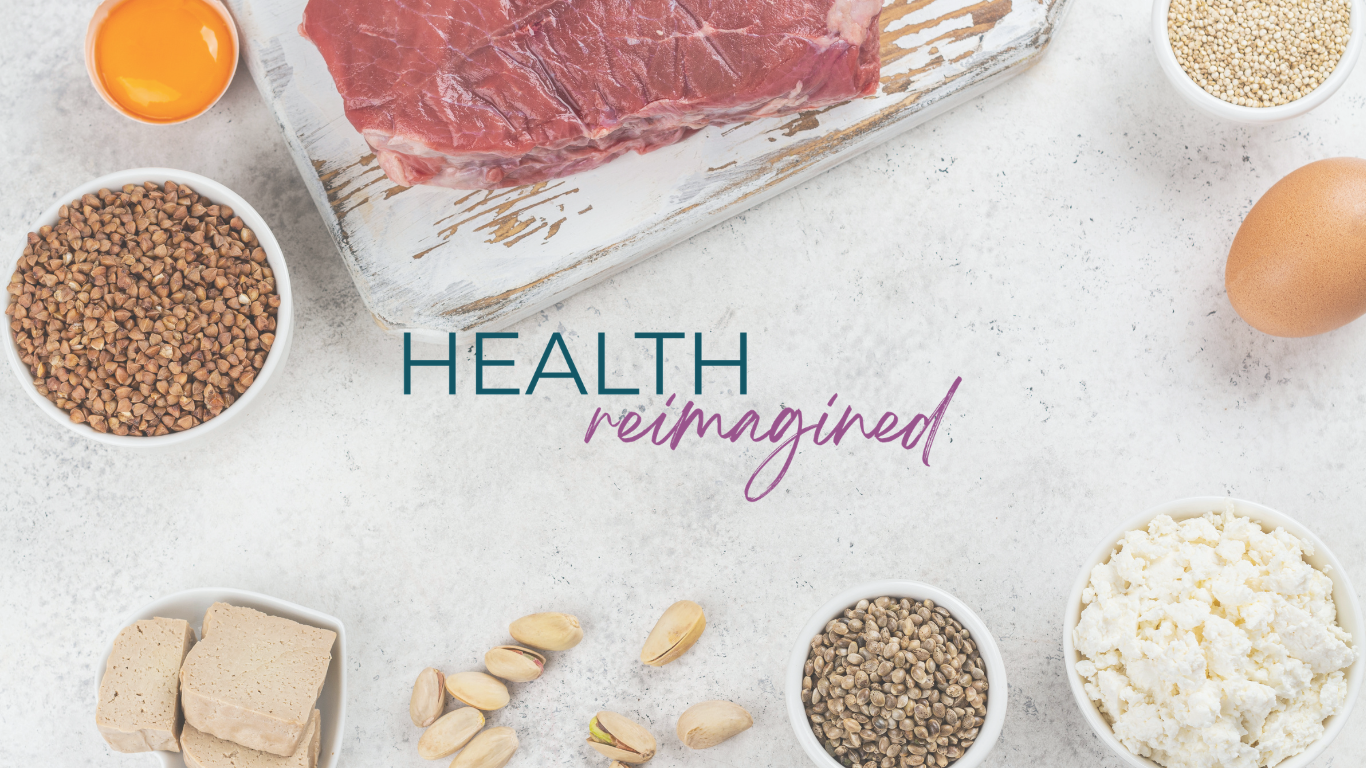
Proteins are essential building blocks for the body: they support muscles, metabolism, the immune system, and many other biological functions. However, not all protein sources have the same positive effects on health and well-being. A holistic perspective considers not just protein content, but also digestibility, nutrient density, environmental factors, and metabolic impact.
The Best Protein Sources
The most beneficial proteins are those that are easily digestible, provide high-quality amino acids, and do not overburden the body:
- Plant-based proteins: Quinoa, lentils, chickpeas, pea protein – supply essential amino acids and fiber.
- High-quality animal proteins: Organic eggs, fatty fish like salmon or trout, free-range poultry.
- Dairy in moderation: Natural yogurt or kefir provides protein along with beneficial probiotics.
These sources support metabolism, muscle maintenance, and immune function without adding unnecessary stress to the body.
Proteins That Can Be More Stressful for the Body
Certain protein sources can place a higher load on the body or may promote inflammation:
- Highly processed meats (sausages, deli meats, ready-made products)
- Protein shakes or supplements with low-quality protein or additives
- Very fatty cuts of meat or high-fat dairy products
- Large amounts of conventionally raised red meat
While these foods do provide protein, they can challenge digestion, metabolism, or inflammatory balance, especially in sensitive individuals.
The Role of Toxopheresis
As a complementary approach, Toxopheresis can be considered. This specialized blood filtration procedure reduces burdening substances in the bloodstream and supports the body’s regulatory mechanisms. In a holistic approach, Toxopheresis can help the metabolism and digestive system process proteins more efficiently, reducing stress on the body. It does not replace mindful food choices but can meaningfully complement them.
Conclusion
Proteins are indispensable for health, but quality and source matter. By choosing high-quality, easily digestible protein sources, moderating more stressful options, and incorporating supportive measures like Toxopheresis, the body can be optimally nourished. A holistic approach combines nutrition, metabolic support, and complementary strategies to promote long-term health and well-being.
Note
This article was created with the support of AI and carefully edited to offer you grounded, holistic insights in a clear and respectful way.
< back to overview