The Gut-Brain Axis: How a Healthy Gut Influences Mental and Physical Well-Being
11. August 2026
The Gut-Brain Axis: How a Healthy Gut Influences Mental and Physical Well-Being
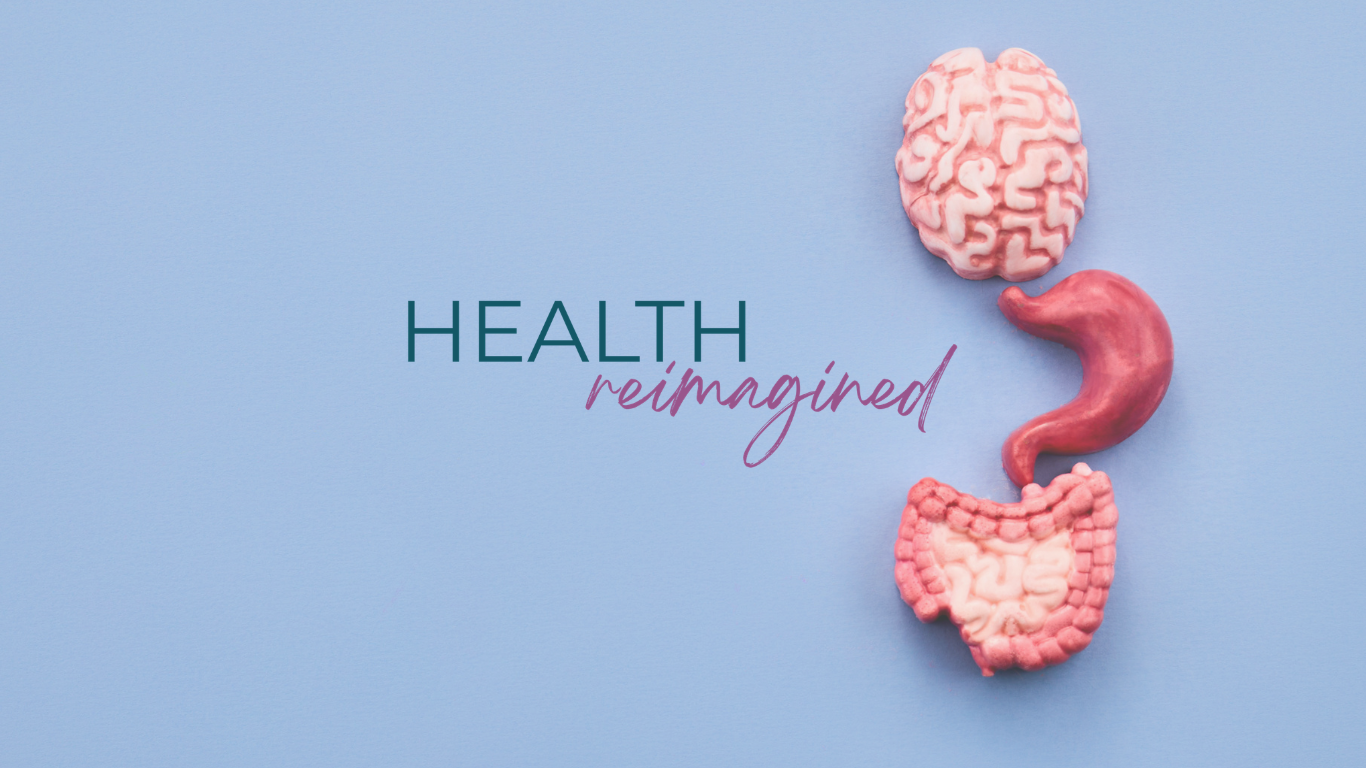
The gut is far more than just a digestive organ. In recent years, research has shown that there is a close connection between the gut and the brain, known as the gut-brain axis. Through nerves, hormones, the immune system, and the gut microbiome, these two organs communicate continuously. From a holistic perspective, this connection plays an important role in supporting both physical and mental well-being.
A healthy gut can influence much more than digestion alone. Nutrition, physical activity, sleep, and stress management all work together to support the gut microbiome and, in turn, many essential functions throughout the body.
What Is the Gut-Brain Axis?
The gut-brain axis describes the two-way communication network between the gastrointestinal tract and the brain.
This communication involves several important systems, including:
- The nervous system
- The gut microbiome
- The immune system
- Hormones
- Various metabolic processes
When this complex network is functioning in balance, it supports the body’s natural regulatory processes. Lifestyle factors such as nutrition, sleep, and stress can all influence this connection.
The Gut Microbiome – A Powerful Ecosystem
Trillions of microorganisms live inside the digestive tract, collectively known as the gut microbiome.
A diverse microbiome contributes to:
- Normal digestion
- The gut’s natural barrier function
- Healthy immune system function
- The metabolism of certain nutrients
Diet, physical activity, medications, stress levels, and sleep quality all influence the composition of the microbiome.
Nutrition: The Foundation of Gut Health
A balanced, fiber-rich diet helps nourish beneficial gut bacteria and supports microbial diversity.
Foods commonly recommended include:
- Fresh vegetables
- Fruits
- Whole grains
- Legumes
- Nuts and seeds
- Fermented foods such as yogurt, kefir, and sauerkraut
- Plenty of water
Limiting highly processed foods and excessive sugar intake may also help maintain a balanced gut environment.
Stress and the Gut
Many people have experienced “gut feelings” or digestive discomfort during stressful situations. This illustrates how closely the brain and digestive system are connected.
A holistic lifestyle therefore also emphasizes:
- Stress management
- Mindfulness practices
- Deep breathing exercises
- Regular physical activity
- Sufficient restorative sleep
Together, these habits help support the body’s natural balance.
Movement Supports Digestive Wellness
Regular exercise benefits not only the cardiovascular system but also digestive function and overall metabolic health.
Suitable activities may include:
- Walking
- Cycling
- Swimming
- Yoga
Even moderate daily movement can contribute to a healthier lifestyle and support gut function.
Toxopheresis as a Complementary Wellness Approach
As part of a holistic health strategy, toxopheresis is sometimes considered as a complementary wellness approach. This specialized blood purification procedure is designed to reduce certain inflammatory mediators, oxidative stress markers, and unwanted substances circulating in the bloodstream. Since gut health is closely linked to immune function, metabolic processes, and systemic inflammatory pathways, toxopheresis is discussed within some holistic concepts as a potential way of supporting the body’s natural regulatory processes. When combined with a gut-friendly diet, regular physical activity, restorative sleep, and healthy lifestyle habits, it may become part of a comprehensive wellness strategy aimed at supporting overall well-being.
Simple Daily Habits That Support Gut Health
Small lifestyle changes can make a meaningful difference over time.
Helpful habits include:
- Eating plenty of fiber-rich foods
- Drinking enough water
- Staying physically active
- Managing stress effectively
- Prioritizing quality sleep
- Choosing whole, minimally processed foods whenever possible
Consistency is often more important than perfection when building healthy routines.
Conclusion
The gut-brain axis demonstrates how closely mental and physical health are connected. A diverse microbiome, balanced nutrition, regular movement, quality sleep, and effective stress management all contribute to supporting the body’s natural balance. Complementary approaches such as toxopheresis are also discussed within some holistic health concepts as an additional way to support the body’s regulatory processes. Together, these elements create a comprehensive approach that focuses on long-term wellness and vitality.
Note
This article was created with the support of AI and carefully edited to offer you grounded, holistic insights in a clear and respectful way.
< back to overview