Understanding Neurodermatitis Holistically: Skin, Lifestyle, and Internal Balance
3. June 2026
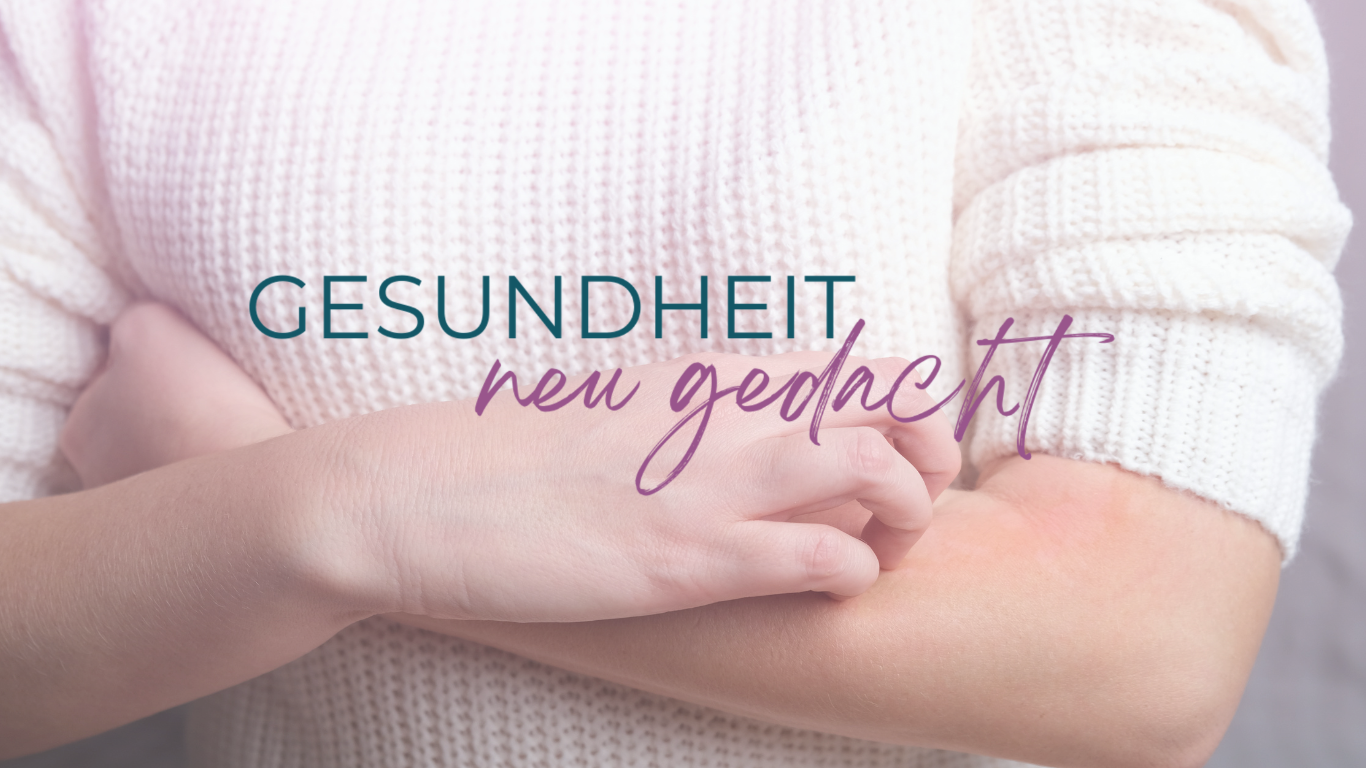
Understanding Neurodermatitis Holistically: Skin, Lifestyle, and Internal Balance
Neurodermatitis, also known as atopic dermatitis, is one of the most common chronic skin conditions and can influence many aspects of everyday life. Typical characteristics include dry skin, increased sensitivity, and periods of stronger skin irritation.
A holistic approach does not focus solely on the visible skin symptoms. Instead, it also considers lifestyle habits, nutrition, stress levels, sleep quality, environmental influences, and overall wellbeing.
The Skin as a Reflection of Internal and External Factors
The skin is constantly interacting with the outside world while also reflecting internal physiological processes. For this reason, holistic approaches often view the skin as part of a larger interconnected system.
Various factors may influence skin sensitivity and comfort, including:
- stress levels
- sleep quality
- nutrition
- environmental triggers
- skincare products
- climate and seasonal changes
Individual experiences can vary significantly from person to person.
Nutrition and Skin Balance
Balanced nutrition is commonly associated with overall wellbeing and internal balance. Fresh foods, adequate hydration, and a varied diet are often considered supportive elements within a holistic lifestyle.
Many individuals also choose to reduce heavily processed foods and unnecessary additives as part of a more conscious daily routine.
Mindful Skincare and Everyday Habits
People with sensitive skin often prefer simple and low-irritation skincare routines.
Gentle products, sufficient hydration, and reducing unnecessary skin stressors are frequently emphasized. Clothing materials, detergents, and indoor air quality may also play a role in daily skin comfort.
Stress and Recovery
Chronic stress can influence both overall wellbeing and the perception of skin sensitivity. Stress management therefore plays an important role in holistic approaches.
Relaxation, restorative sleep, and intentional recovery periods may help create a greater sense of internal balance in everyday life.
Sleep and Regeneration
Recovery is an essential part of a balanced lifestyle. Consistent sleep routines and adequate rest support many natural processes within the body.
In holistic health concepts, sleep is often viewed as a foundational pillar for maintaining overall balance.
Complementary Perspective: Toxopheresis in a Holistic Context
Within integrative health approaches, toxopheresis is discussed as a procedure that filters certain substances from the blood.
It is mainly considered in the context of complex metabolic and regulatory processes, with the aim of supporting internal balance. In selected medical situations, it may be viewed as a complementary measure that could help reduce systemic load and support physiological regulation.
Conclusion
Viewing neurodermatitis holistically means understanding the skin as part of a broader interaction between lifestyle, environment, and internal balance.
Nutrition, stress management, sleep, skincare, and mindful daily habits together contribute to a more balanced and skin-conscious lifestyle.
Note
This article was created with the support of AI and carefully edited to offer you grounded, holistic insights in a clear and respectful way.
< back to overview