Holistic Movement Concepts for Active Aging
9. December 2025
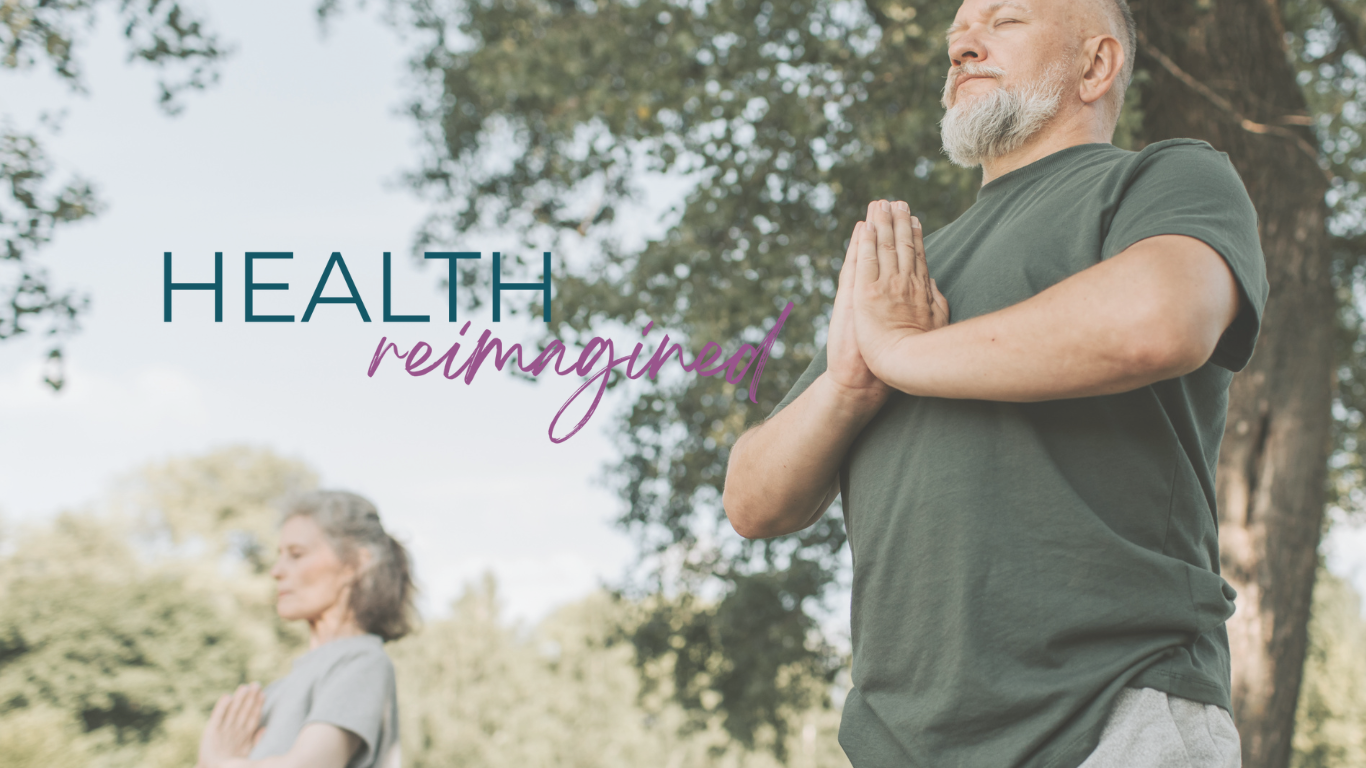
Holistic Movement Concepts for Active Aging
Active aging is about far more than regular exercise. It is a gentle interaction between physical impulses, mental presence, emotional steadiness, and a lifestyle that respects one’s own rhythm. Holistic movement concepts bring these elements together by combining mindful activity, awareness, and simple daily routines. For older adults, this blend can create a sense of ease, orientation, and inner well-being.
Why Holistic Movement Is So Valuable in Later Life
As we grow older, both the body and the way we perceive our surroundings naturally change. Gentle movement—such as mindful walking, light mobilization, or calm breathing—helps keep the body supple while bringing the mind into greater clarity. This combination fosters a feeling of safety that becomes noticeable in everyday life: when getting up, walking, or engaging with others.
The beauty of holistic movement lies in its openness. It does not focus on performance; it emphasizes experience. Every small movement counts, every pause has value, and every breath becomes part of one’s quality of life.
The Role of Breathing: Finding a Quiet Center
Breathwork is a subtle companion to many holistic movement practices. A few conscious breaths can release the chest, settle thoughts, and bring the body into a calmer state. For older adults, this can be a gentle way to rediscover their own rhythm and experience daily moments with more clarity.
Everyday Routines That Create Stability
Movement does not need to be strenuous or intense. Sometimes it’s enough to stand upright for a moment while cooking, to feel the ground consciously while walking, or to roll the shoulders softly while sitting. These small rituals provide structure and promote a sense of presence—an essential aspect of active aging.
Toxopheresis as a Complementary Element in a Holistic Perspective
In some contexts, toxopheresis is mentioned as a complementary approach. It is a medical procedure in which certain substances are filtered from the blood. For some older individuals, this may be of interest because it aims to support inner balance and create conditions that make it easier for the body to organize itself. When combined with gentle movement, mindful body awareness, and stabilizing daily routines, toxopheresis can contribute to a broader understanding of one’s well-being—without claiming to create any direct change on its own.
Conclusion: Movement as a Dialogue With One’s Own Life
Holistic movement concepts invite older adults to see their bodies not as obstacles but as living partners. They create space for joy, calm, and orientation. Every small movement, every conscious breath, and every gentle gesture becomes part of a dialogue that views aging not as decline but as ongoing development.
Note:
This article was created with the support of AI and carefully edited to offer you grounded, holistic insights in a clear and respectful way.
< back to overview