Fast Food: Quick, Cheap, Filling – But at What Cost?
12. November 2025
Fast Food: Quick, Cheap, Filling – But at What Cost?
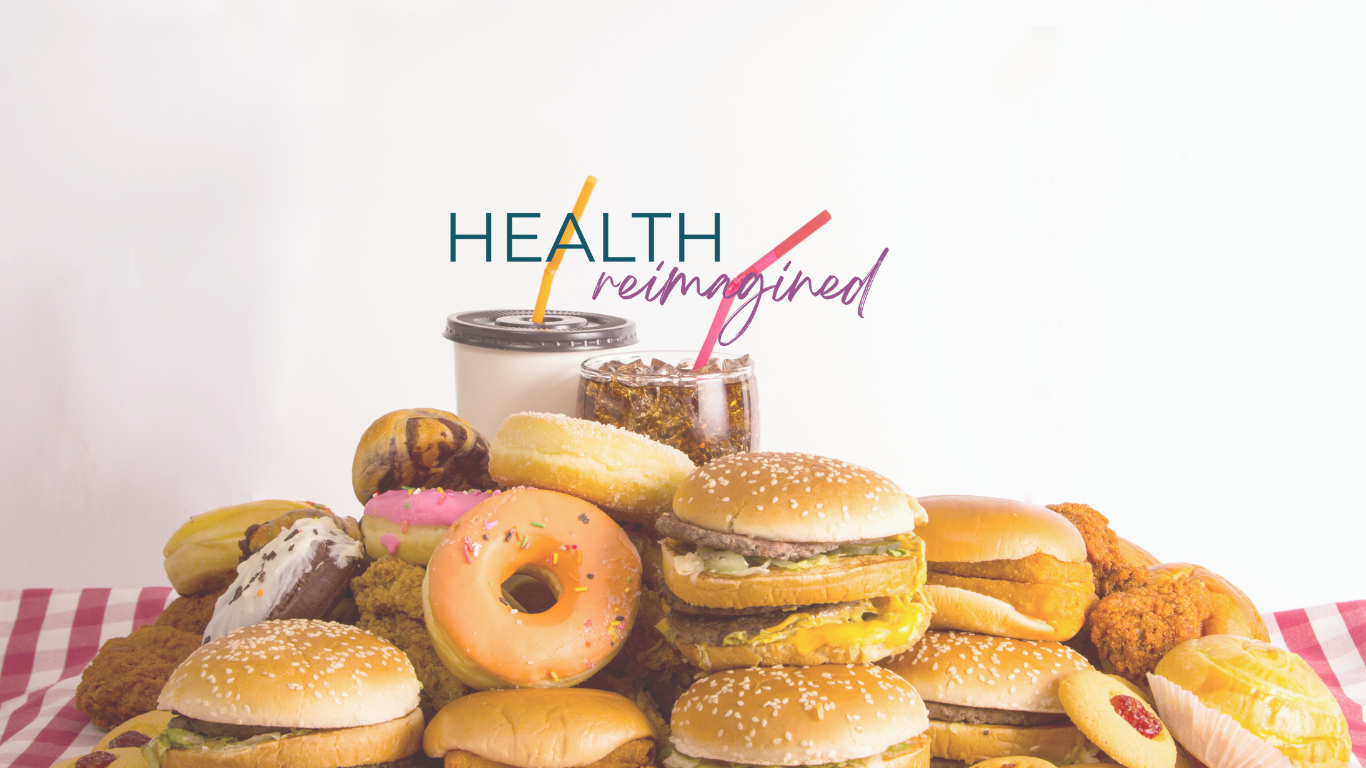
Fast food isn’t just a quick meal anymore — it’s a way of life. Whether at work, while traveling, or between appointments, burgers, fries, and sodas are always within reach. Yet what seems convenient and affordable carries deeper consequences. The effects of fast food on the body and environment reach far beyond a single meal, shaping our health, awareness, and even the planet’s balance.
The Fast Fix with Slow Consequences
Our bodies aren’t designed to handle the constant influx of sugar, fats, and salt found in fast food. In the short term, it boosts energy — but over time, it strains metabolism and fuels inflammation. Fatigue, poor focus, and fluctuating energy levels are common side effects.
Fast food also reshapes how we eat. The faster we consume, the less aware we become of taste, satisfaction, and emotion. Eating turns into a reflex, detached from mindfulness or nourishment.
Fast Food and the Planet: The Hidden Price of Convenience
The environmental footprint is equally concerning. Industrial production of meat, palm oil, and refined grains demands massive amounts of water, energy, and land. Add packaging waste and global transport chains — and the ecological impact grows.
A single burger can require up to 2,500 liters of water and emit around 3 kilograms of CO₂. Every “quick meal” silently adds to global imbalance.
Supporting Balance: How Toxopheresis Can Help
When the body is exposed to toxins, trans fats, and metabolic residues for long periods, it can lose its natural balance. This is where toxopheresis, a medical blood-cleansing procedure, can assist.
Toxopheresis helps remove harmful metabolic byproducts and pollutants from the bloodstream, allowing the body to recover its internal equilibrium. It supports detoxification processes and helps reduce the burden caused by poor diet, stress, or environmental exposure.
It’s important to note that toxopheresis doesn’t replace healthy nutrition — it complements it. Mindful eating and bodily awareness remain the foundation of holistic wellbeing.
Awareness Over Abstinence: A New Relationship with Food
Holistic eating doesn’t mean giving up what you enjoy. It’s about conscious choices:
- Quality over quantity: A fresh wrap made from local ingredients can be just as quick as a burger — and far more nourishing.
- Mindfulness over mindlessness: Slowing down while eating enhances flavor, satisfaction, and emotional calm.
- Connection over consumption: Every meal is part of a larger ecosystem — what we eat affects not only us, but the planet we share.
Conclusion: The True Cost of Fast Food
Fast food might seem cheap, but its real price is high — measured in our health, mental clarity, and environmental stability.
By becoming more aware of how we eat and exploring supportive methods like toxopheresis, we can ease the burden on both our bodies and the world around us.
True nourishment isn’t found in speed — it’s found in mindfulness.
Note:
This article was created with the support of AI and carefully edited to offer you grounded, holistic insights in a clear and respectful way.
< back to overview